What to Do If Sewer Backs Up in Basement: Emergency Response Guide
Facing Water Damage Right Now?
Our emergency crews arrive on-site within 60 minutes with direct insurance billing.
A sewage backup in your basement is one of the most urgent and hazardous emergencies a homeowner can face. Knowing what to do if a sewer backs up in basement areas immediately can save thousands of dollars in structural damage and protect your family from severe health risks.
At Water Extraction Now, our certified biohazard and water restoration crews deal with sewage emergencies daily. In this guide, we detail the exact, step-by-step actions you must take right now to safely contain the spill, mitigate health hazards, and initiate professional cleanup.
Immediate Safety Rules (First 15 Minutes)
Sewer water is classified as Category 3 (Black Water). It carries dangerous pathogens, bacteria, parasites, and chemical contaminants.
Before touching anything, execute these safety measures:
-
Evacuate Children and Pets: Keep vulnerable family members away from affected lower levels immediately.
-
Avoid Standing Water: Do not wade through standing sewage without rubber boots, nitrile gloves, and an N95 mask.
-
Turn Off Electricity: If water reaches electrical outlets or appliances, turn off main breakers from a dry location.
-
Stop All Water Usage: Do not flush toilets, run sinks, use washing machines, or run dishwashers anywhere in the house.
Step-by-Step Emergency Protocol: What to Do If Sewer Backs Up in Basement
When handling an active sewage backup, follow this precise action plan:
+-------------------------------------------------------+
| 1. Stop Water Source  ->  2. Shut Off Main Utilities   |
| 3. Call Restoration Pro -> 4. Document for Insurance  |
+-------------------------------------------------------+
1. Stop Water Input and Locate the Blockage
Cease all home plumbing use immediately. Sewage backups usually stem from either a main line clog on your property or a municipal main surcharge.
Check with neighbors to see if their basements are backing up too. If multiple homes are affected, the city main line is overloaded.
2. Contact the Municipal Water Authority
If you suspect the issue lies in the public sewer main, call your city utility department immediately. Cities often dispatch crews to clear municipal main obstructions at no cost to the homeowner.
3. Call Emergency Biohazard Restorers
Black water requires specialized extraction and industrial-grade disinfectant treatments. Standard shop vacuums and consumer bleach cannot safely decontaminate porous concrete or stud framing.
Learn more about professional hazardous waste removal on our guide covering [Internal Link: Professional Sewage Extraction Services].
4. Document Everything for Your Insurance Claim
Before starting any emergency mitigation or cleanup, take detailed photos and videos of:
-
The standing sewage depth
-
Damaged personal items and furniture
-
Structural elements (walls, doors, trim, flooring)
Check out our complete checklist on [Internal Link: Navigating Water Damage Insurance Claims].
Comparing Water Damage Categories
Understanding why sewage requires specialized handling comes down to the water classification standard set by the IICRC S500 Standard for Professional Water Damage Restoration.
| Water Category | Common Source | Pathogen Risk Level | DIY Cleanup Safe? |
| Category 1 (Clean) | Supply lines, faucet leaks | Very Low | Yes (with fans/dehumidifiers) |
| Category 2 (Gray) | Washing machine, dishwasher | Moderate | Partial (requires disinfectant) |
| Category 3 (Black) | Sewer line backup, floodwaters | Extremely High | No (Requires Biohazard Pros) |
How Professional Sewage Cleanup Works
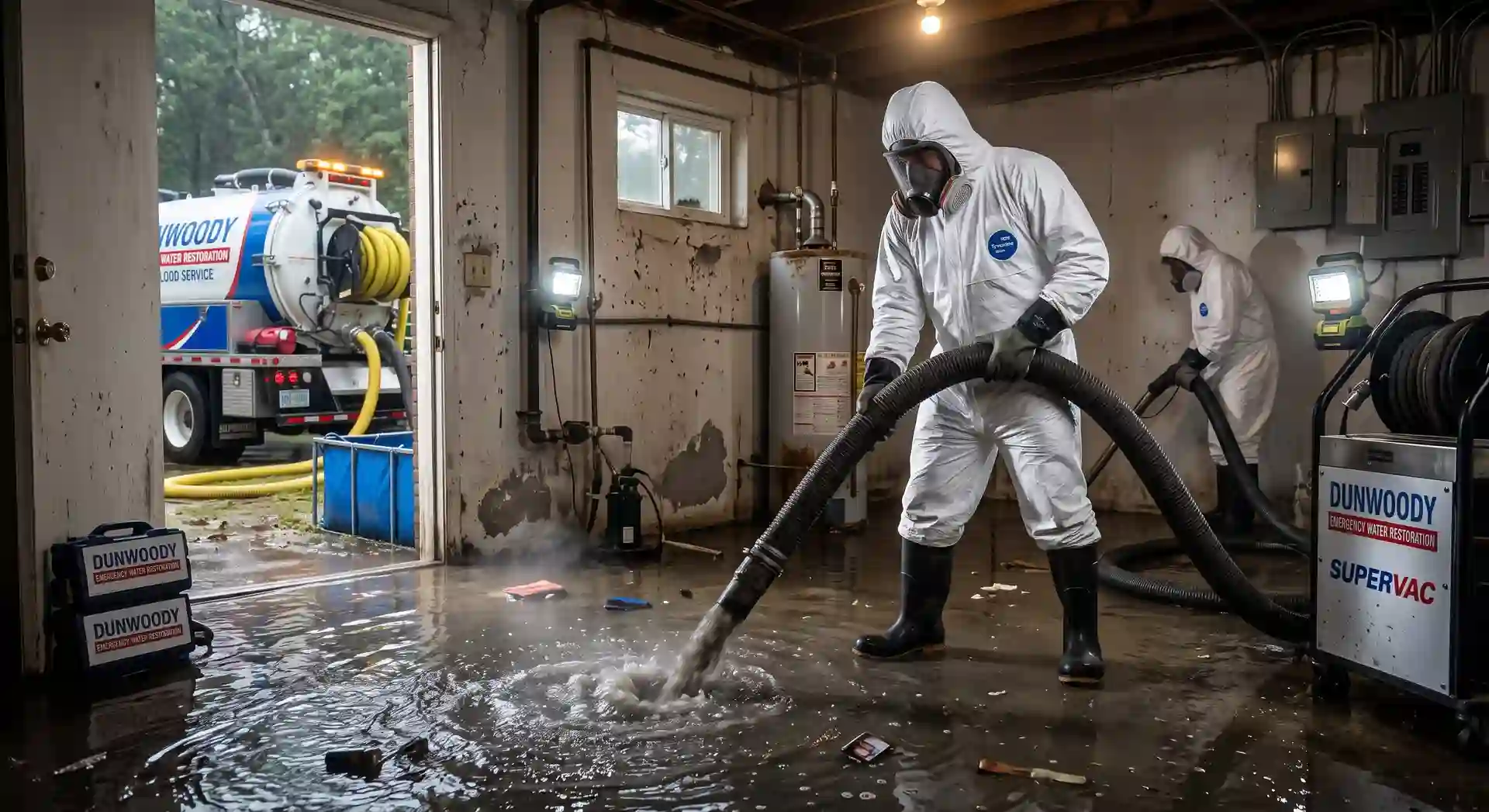
When our team at Water Extraction Now arrives on-site, we deploy an intensive containment and remediation protocol:
-
Containment: Setting up plastic zippable airlocks and negative air pressure systems to prevent airborne pathogens from entering upper floors.
-
Extraction: Utilizing heavy-duty, truck-mounted extraction units to pump out solid waste and liquid effluent.
-
Porous Material Disposal: Removing saturated drywall, insulation, carpet, and wood subflooring that cannot be fully disinfected.
-
Sanitization: Treating concrete slabs and remaining framing with broad-spectrum hospital-grade antimicrobial agents.
-
Drying: Deploying industrial desiccant dehumidifiers and high-velocity air movers to bring timber framing back to dry baseline standards.
For details on health guidelines during sewage spills, reference the official CDC Sewage Cleanup Safety Guidelines.
What Items Can Be Saved vs. Discarded?
Sorting through belongings after a basement sewer backup requires strict hygiene judgment:
Discard Immediately (Unsafe to Clean)
-
Padded furniture, mattresses, and couch cushions
-
Wall-to-wall carpeting and carpet padding
-
Unsealed cardboard boxes, papers, and books
-
Drywall, fiberglass insulation, and laminate flooring
Can Be Saved (Requires Professional Sanitization)
-
Solid hardwood furniture (if unwarped)
-
Metal, glass, and hard plastic objects
-
Washable fabrics (if laundered with hot water and sanitizing agents)
-
Concrete subfloors (once power washed and disinfected)
See our complete item recovery guide at [Internal Link: Restoring Personal Belongings After Flooding].
Frequently Asked Questions (FAQ)
Who is responsible for a sewer backup in the basement?
If the blockage occurs in your private lateral line (connecting your home to the street), the homeowner is responsible. If the municipal main line clogs or overflows, the local utility company usually handles public main clearance, though home damage restoration often falls on your homeowner’s insurance policy.
Will standard homeowner’s insurance cover a basement sewer backup?
Standard policies typically exclude sewer backups unless you have added a specific Sewer Line / Sump Pump Back-up Endorsement rider to your policy. Check your policy declarations page immediately after an incident.
Can I pour bleach down the drain to fix a sewer backup?
No. Bleach will not clear a physical blockage caused by tree roots, collapsed pipes, or grease. Additionally, mixing chemical drain cleaners with standing sewage releases hazardous gases.
Summary & Next Steps
Knowing what to do if sewer backs up in basement spaces comes down to quick safety decisions: stop using water, shut off power if safe, call your municipal utility, and hire certified biohazard technicians. Do not attempt to clean black water yourself.
If you are currently experiencing a sewer backup emergency, contact our 24/7 restoration team at Water Extraction Now immediately for rapid extraction, structural drying, and complete decontamination.